Roof Inspections and Reporting using both visual and thermography
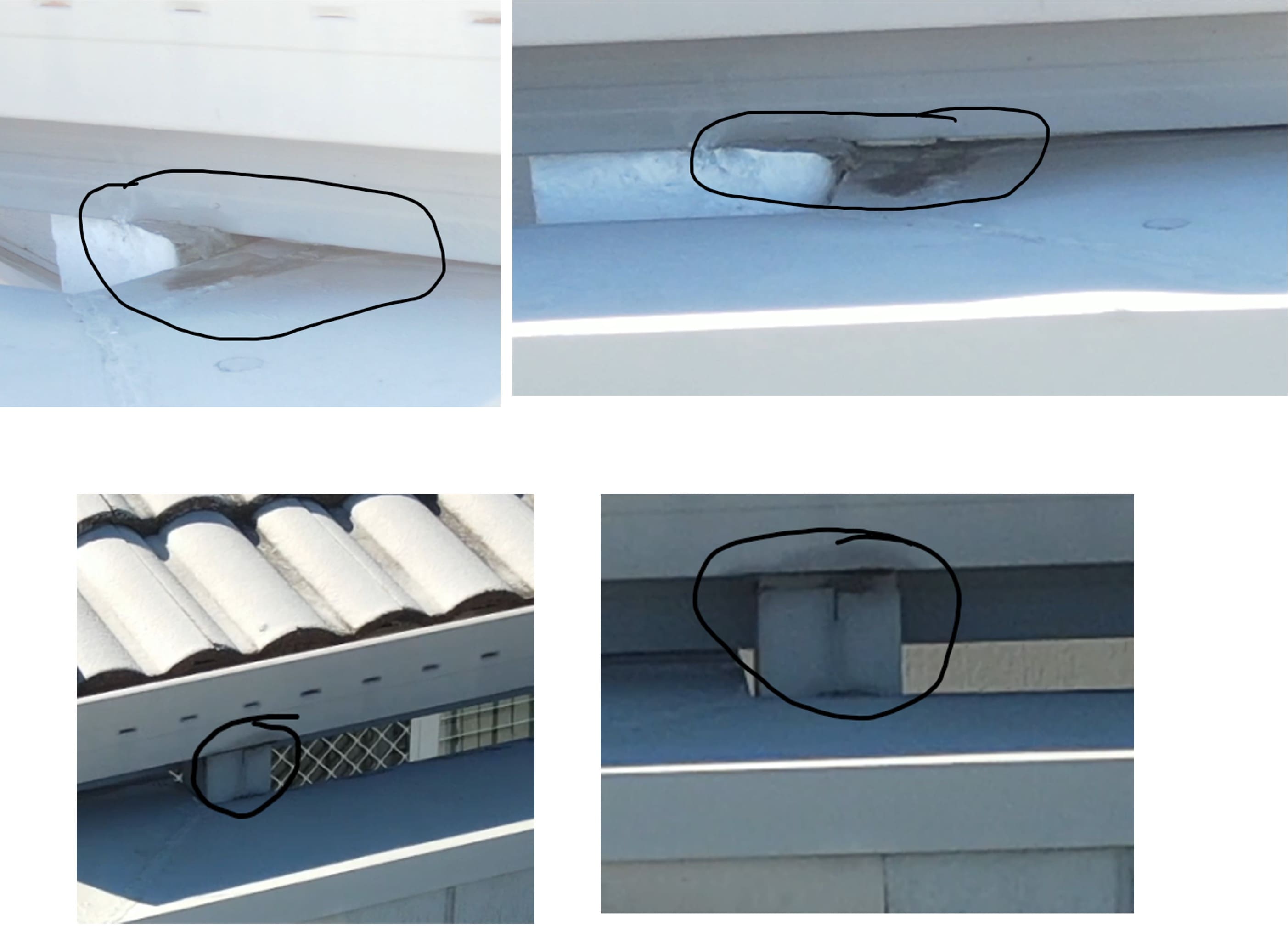
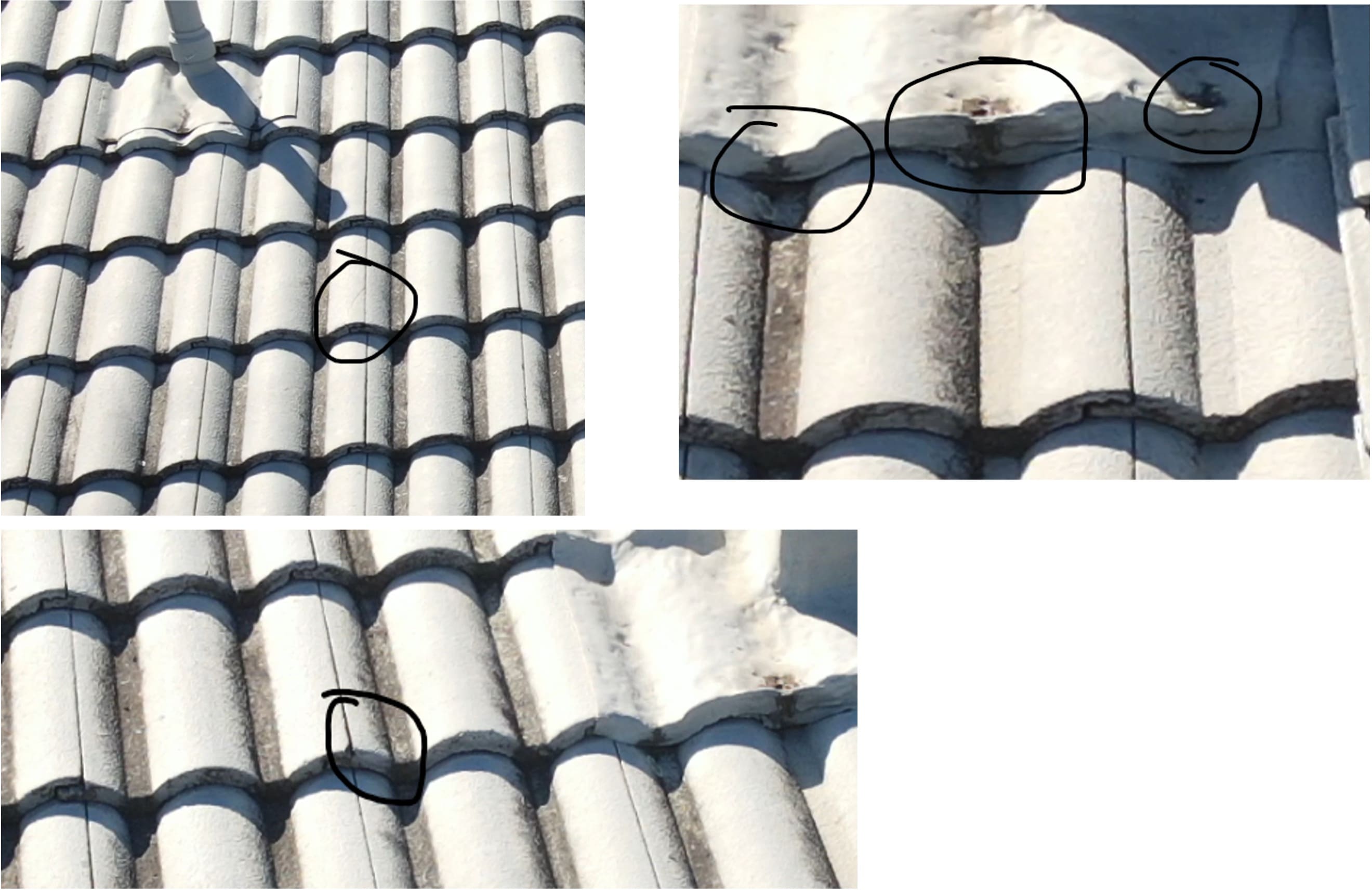
Drone inspections are transforming the process by providing a comprehensive aerial view of the entire roofing system.
By flying a highly manoeuvrable camera, we get a complete, bird's-eye view of the entire roofing system without requiring any personnel to be in a "working at heights" environment.
This isn't just convenient; it captures better, more objective data to support property decisions. This approach provides accurate, objective data, enabling informed property decisions to competed in a timely manner..
Why can they see what we cannot?
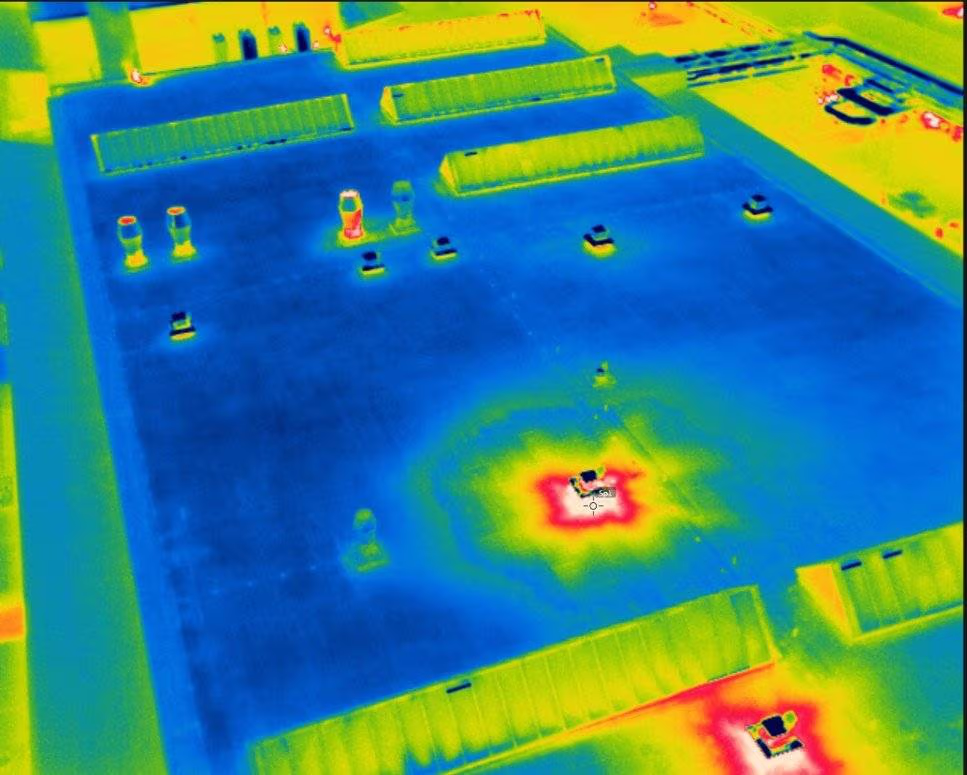
Drones' advanced sensors offer capabilities beyond simple aerial photography, enabling detailed inspection of roofing elements.
- Thermal Cameras: These detect temperature variations across the roof surface, identifying issues such as trapped moisture beneath the membrane. This can reveal leaks before they become visible inside the property.
- Orthomosaic Mapping: Advanced software combines numerous images into a single high-resolution roof map, creating a detailed, measurable digital record for analysis.
- 3D Modelling: The same data can generate an accurate 3D model, allowing precise measurement of slopes, ridges, and skylights without manual inspection.
This level of detail shifts an inspection from a subjective "walk-around" to an objective, data-driven analysis. Instead of relying only on an inspector's handwritten notes, you get a verifiable digital twin of your roof's health at a specific moment.
Some scenarios requiring a Drone Inspection: -
- Pre-Purchase Building Reports: Before you sign on the dotted line, a drone can spot hidden roof problems you can't see from the ground. This gives you strong negotiating power or the confidence to walk away from a potential financial nightmare.
- Insurance Claim Assessments: After a big storm, fire, or hailstorm, drone images provide objective, time-stamped proof of the damage. This can dramatically speed up your insurance claim and minimise back-and-forth arguments by showing exactly what happened.
- Documenting Builder Defects: This is a huge one, especially if things turn legal. If you suspect shoddy workmanship or that the work doesn't meet Australian standards, a drone report creates an impartial, detailed record. This kind of evidence is vital for resolving disputes with a builder or for formal hearings at NCAT. Building Consultants use this data to prepare expert witness reports.
- Strata Maintenance Planning: For strata managers, a drone can capture a complete picture of all roofing assets across an entire complex. This makes proactive maintenance planning, accurate budgeting, and fair cost allocation among owners so much easier. It removes the guesswork from managing one of thebuilding'ss most critical assets.
What common areas may insurance policies not cover?
Depending on your insurer, the following areas are often not covered by standard home insurance policies:
- Retaining walls
- Pools
- Unsealed driveways
- Landscaping
- Dust Storms
These are just a few, and we recommend all owners/tenants read their Product Disclosure Statement (PDS) and any applicable Supplementary Product Disclosure Statement (SPDS), which outline all inclusions and exclusions in your insurance policy.
Common roof maintenance issues?
- Silicone breakdown around flashings
- Leaf debris in gutters and valleys
- Cracking of ridge cap mortar
- Rotting timber from long-term wear and tear
- Sealant breakdown around windows, doors, and shower screens
- Flaking or delaminating paint due to age
- Cracks in plaster joints due to age and general movement
- Cracks in tiles
- Waterproofing breakdown
- General wear and tear to flooring
Tips for preparing a business or home for summer storm season?
Take safety precautions
- If a storm or weather event is imminent, tie down or store away any outdoor furniture or equipment,
- Move vehicles under cover.
- Secure boats in a safe anchorage.
- Bring pets indoors.
- Unplug all appliances
- Turn off electricity.
- If windows are at risk of breaking, reinforce them with strong packing tape in an X pattern.
- In a cyclone, turn off gas and water.
- If evacuating, lock all doors and windows.
- Make sure your emergency kit is ready.
- Roof condition
- Arrange a roof inspection before summer.
- Repair any loose tiles, eaves, rusted screws or sheets, and damaged guttering or flashing.
- Clean gutters and downpipes to remove leaves and debris, ensuring proper water drainage.
- House repairs
- Repair any corrosion, loose fittings, or rotting timber.
- Overhanging branches
- Trim trees and overhanging branches near your home, shed, garage, or other structures.
- Standing water
- Regularly empty water from containers and paddling pools to prevent mosquito breeding and reduce disease risk.
After a weather event, and once it is safe, we encourage all members to submit their claim as soon as possible.
NOTE: The quicker we can capture the data, the sooner we can complete the reporting process, and the sooner your insurance company can consider your claim!
Home maintenance resources:
• https://www.qbcc.qld.gov.au/your-property/maintain-protect/maintain-home
• https://www.getready.qld.gov.au/get-prepared/house-maintenance-and-preparation