
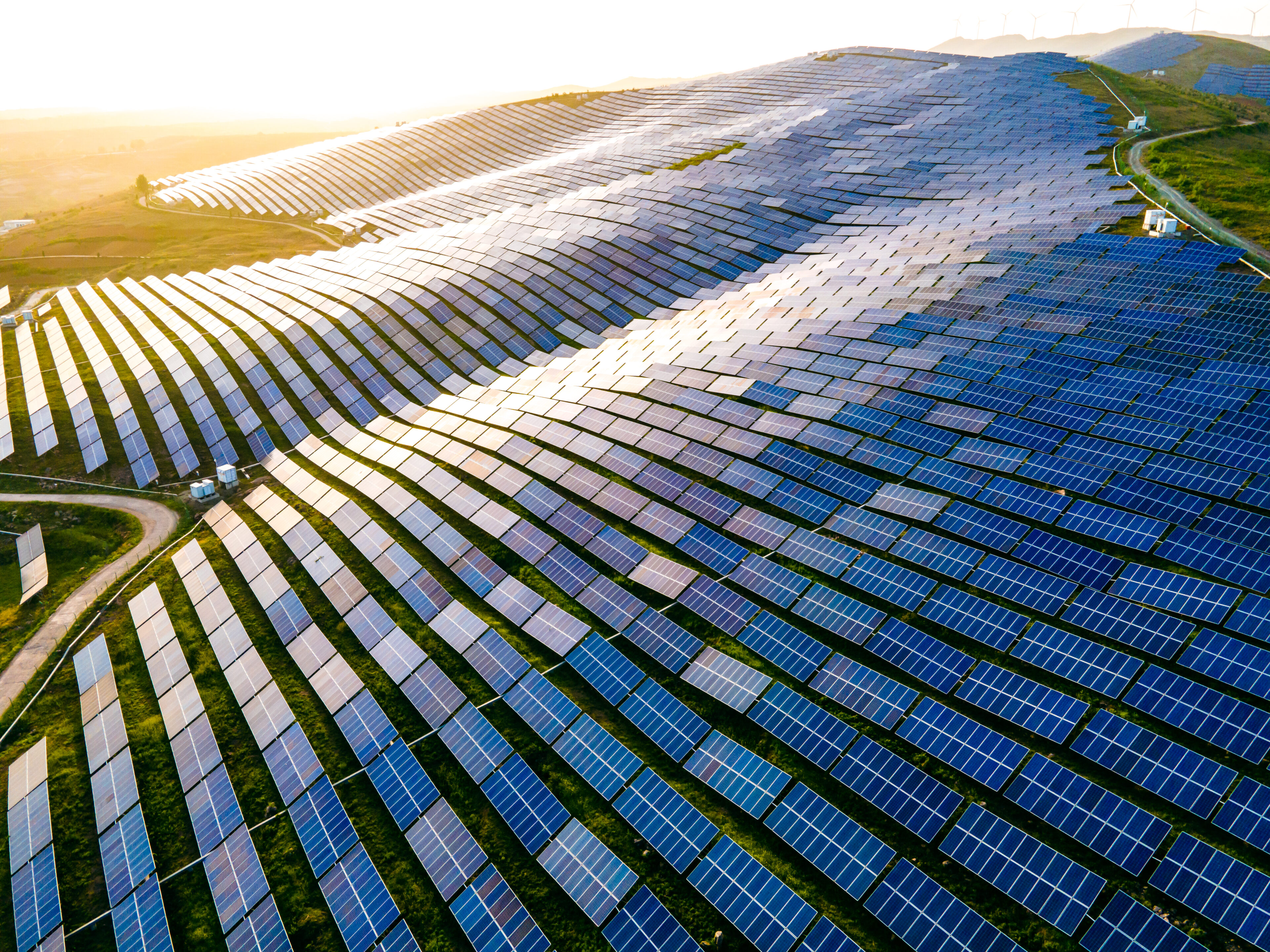
Drone-based Thermal Array (Solar Panel) Inspections
Drone-based thermal array (Solar Panel) inspections offer an advanced way to detect temperature variations and identify potential issues in infrastructure or equipment.
Thermal imaging drones can quickly scan large areas and pinpoint concerns such as electrical faults, insulation problems, or heat leaks.
This non-invasive technique is invaluable for preventive maintenance, emergency response, and ensuring operational safety in industries such as construction, energy, and utilities.
Our detailed reporting helps you act quickly, minimising downtime and costly repairs.
Please see the attached link highlighting why Thermography Inspection is so important in both Commercial and Residential Properties: https://youtu.be/GBGBdUWcHPk.
What is and is not covered
Covered
Solar panels are usually protected against a range of common and unexpected events. If something unusual happens with the weather, your home insurance might help. Here are some events that are often covered by home insurance:
- Fire
- Lightning
- Theft or attempted theft
- Malicious damage, vandalism, riot, or civil commotion
- Glass breakage
- Storm damage (check your policy for exclusions, especially for storms and hail.)
- Escape of liquid (such as leaking pipes)
- Impact at the home (say, if a tree branch falls on your roof)
- Explosion
- Earthquake or tsunami.
Not Covered
This is where it can get complicated. Most home insurance policies do not cover the following general exclusions:
- Wear and tear: Over time, panels naturally degrade, especially in strong sunlight. This is usually your responsibility or may be covered by your warranty.
- Lack of maintenance: You need to keep your panels in good condition. Dirt, grime, or poor maintenance can sometimes void your insurance coverage.
- Mechanical or electrical breakdown: If your panels or inverter stop working because of a fault, this is usually not covered. However, exceptions exist, such as lightning damage or a fallen tree. Always check your policy and warranty for details.
- Uninsured period: If something happens before your policy starts or after it ends, you will not be covered.
- Unoccupied home: If you leave your home empty for an extended period, such as more than 180 days, your insurer may not cover any damage or loss.